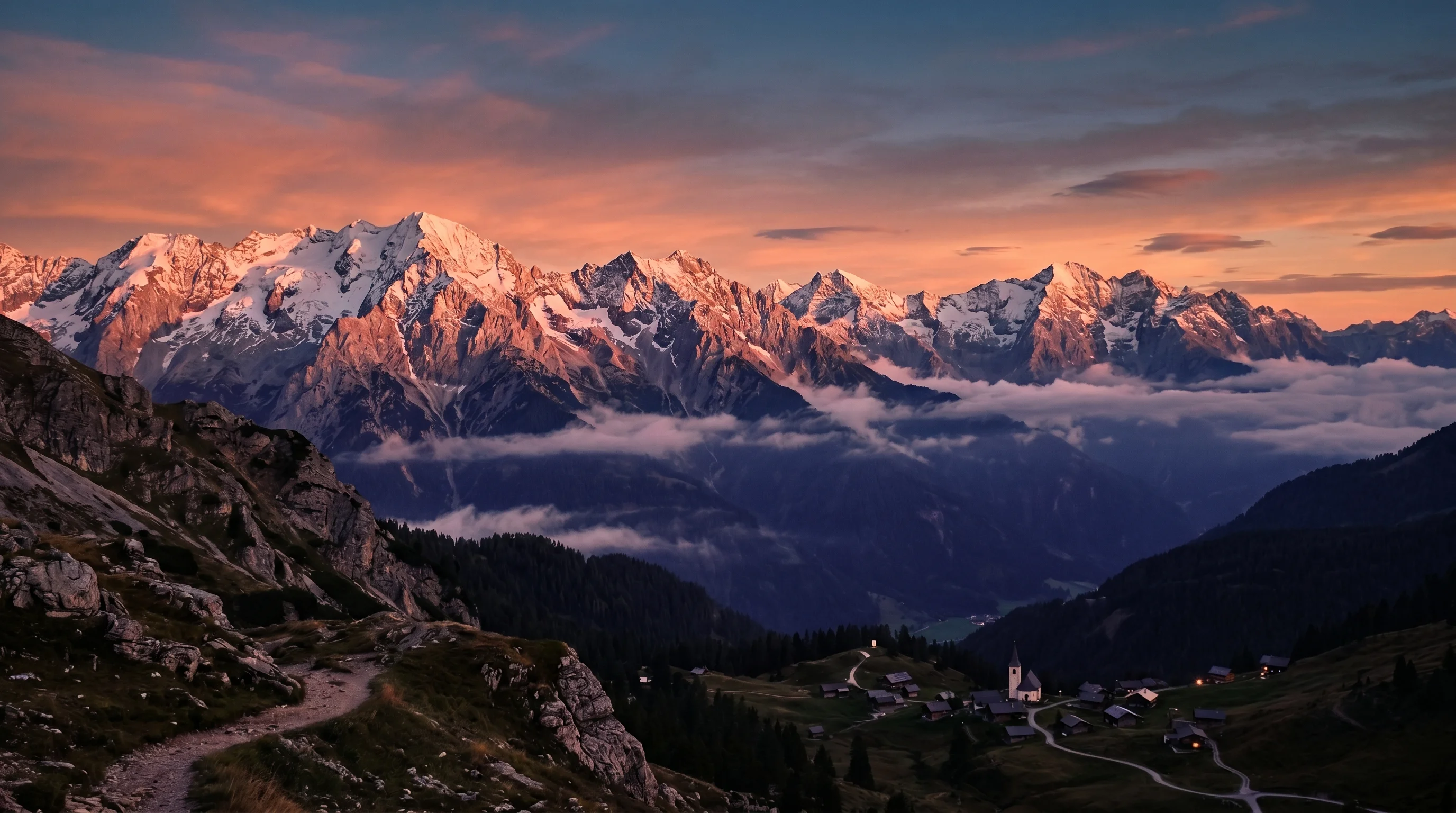
Austrian Tyrol Alps at golden hour alpenglow
A field guide to Tyrol · No. 01

Tyrol, Austria.

An alpine confidence: 573 peaks, 34 living glaciers, a people shaped by weather and stone. This is the complete field guide — mountains, culture, and the rituals of getting there.

Scroll
Innsbruck 574 m Nordkette 2.334 m Kitzbüheler Horn 1.996 m Großglockner 3.798 m Wilder Kaiser 2.344 m Zugspitze 2.962 m Ötztaler Ache Zillertaler Alpen Stubai Glacier Alpenhauptkamm Innsbruck 574 m Nordkette 2.334 m Kitzbüheler Horn 1.996 m Großglockner 3.798 m Wilder Kaiser 2.344 m Zugspitze 2.962 m Ötztaler Ache Zillertaler Alpen Stubai Glacier Alpenhauptkamm

In Tyrol the mountains do not perform. They simply arrive — outside the hotel window, above the market square, at the edge of every valley road — and you find yourself, without quite knowing when, measuring distance in altitude gained.

It is Austria's westernmost province and its most theatrical one — a high-shouldered country of limestone ridges, glacier rivers and baroque market towns pressed between the Northern Limestone Alps and the crystalline spine of the Hohe Tauern. People have lived here for four millennia; the Romans came through, then the Bavarians, then the pilgrims, then the first Englishmen with their mahogany skis. What they all noticed is what you will notice: Tyrol keeps its scale.

§ 02 The Atlas

Four regions,
one country in miniature.

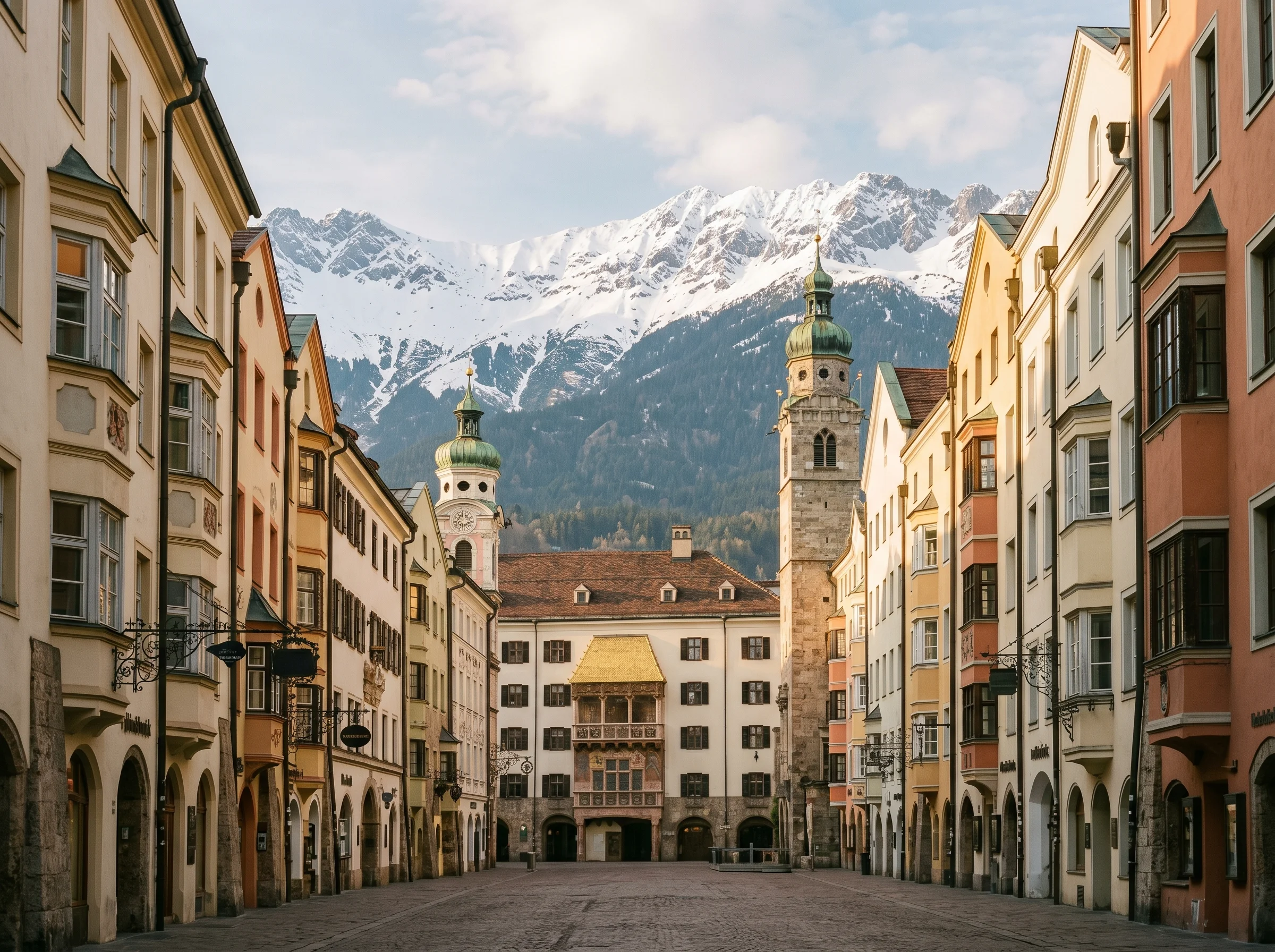
Innsbruck old town and Nordkette mountains
Fig. 01 — Innsbruck
I 574 m · Inn Valley

Innsbruck, the capital that walks to its glacier.

A baroque old town gripped between two limestone ridges. Fifteen minutes from the market square you can be riding a cable car to 2.300 m. It is where Tyrol's civic life and its wilderness press against one another — and the reason most journeys begin here.

Read the city guide
II 762 m · Kitzbüheler Alpen

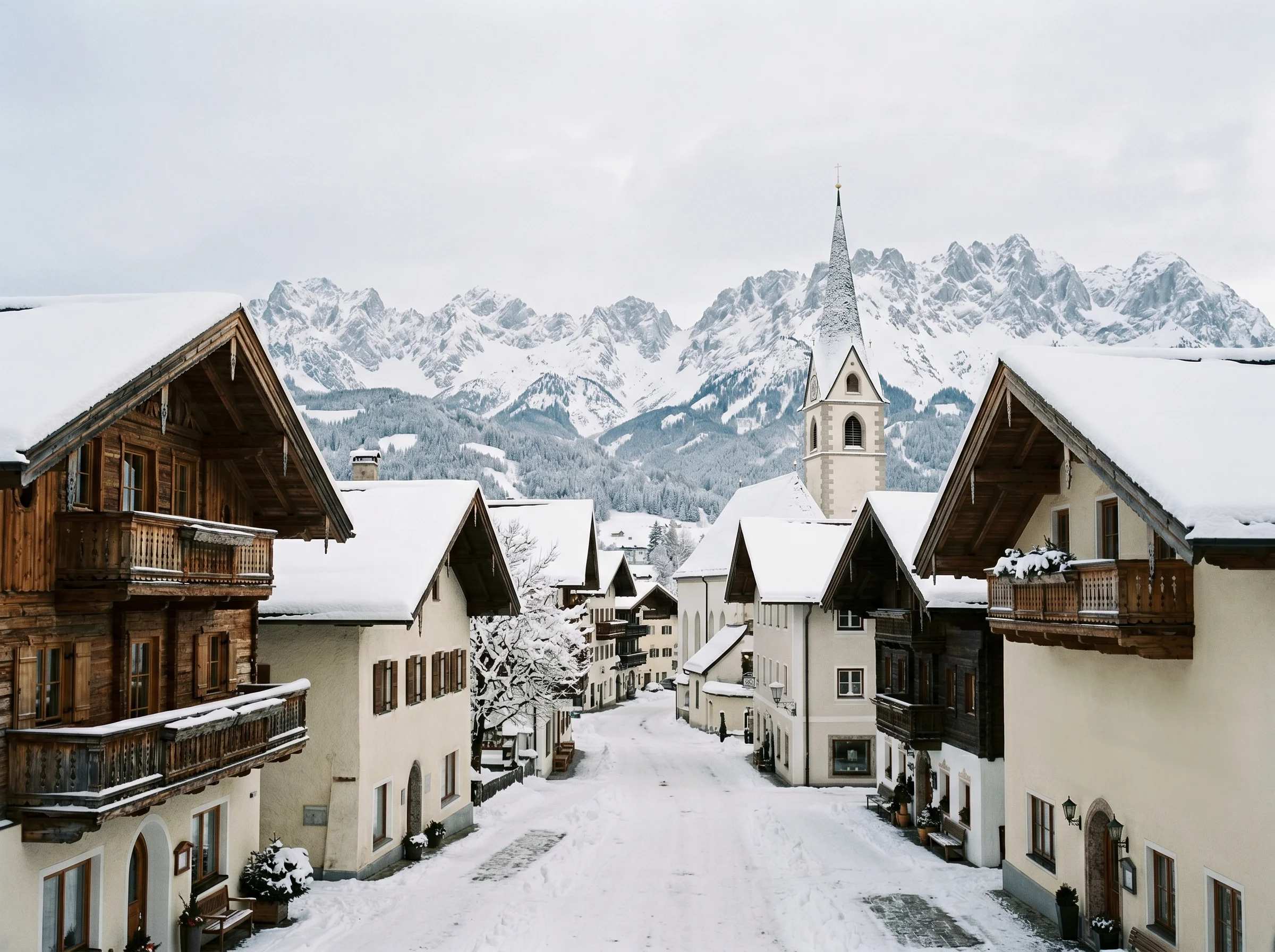
Kitzbühel, the medieval village that invented the downhill.

A small walled town that has, without apparent effort, hosted the world's most feared downhill race for more than eighty years. Off the Streif, Kitzbühel is quieter than its reputation — painted façades, old churches, long summer pastures where cowbells and cirrus trade places.

Read the field notes
Kitzbühel village in winter with wooden chalets and mountains
Fig. 02 — Kitzbühel
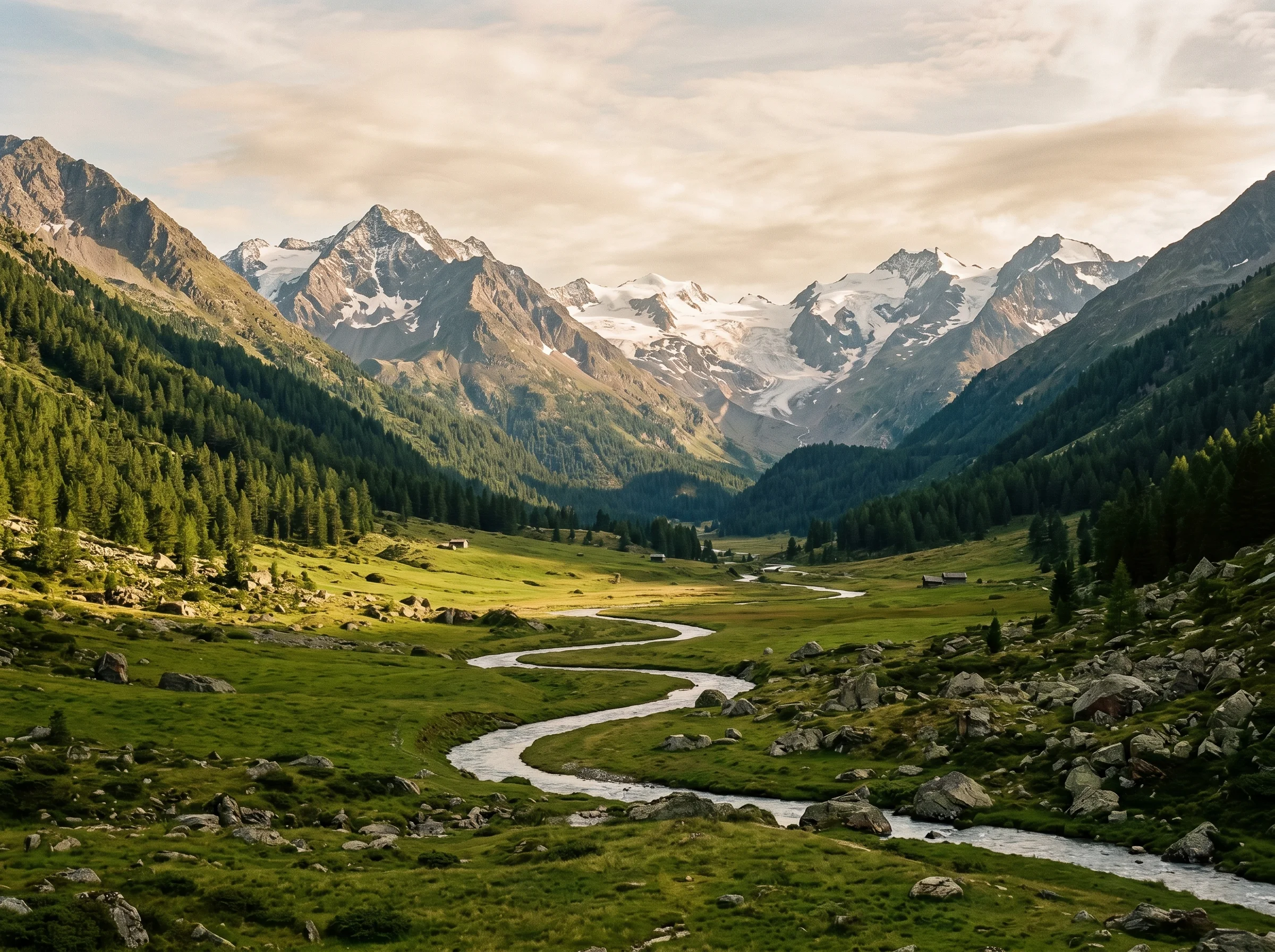
Ötztal valley with glacial river and alpine peaks
Fig. 03 — Ötztal
III 1.370 m · Ötztaler Alpen

Ötztal, 65 km of glacier river and silence.

One long valley, seven villages, and at its head a glacier still measuring its own retreat. Ötztal is where Tyrol becomes a laboratory: Ötzi the Iceman was found here in 1991. It remains the wildest side of the province.

Read the expedition notes
IV 630 m · Zillertaler Alpen

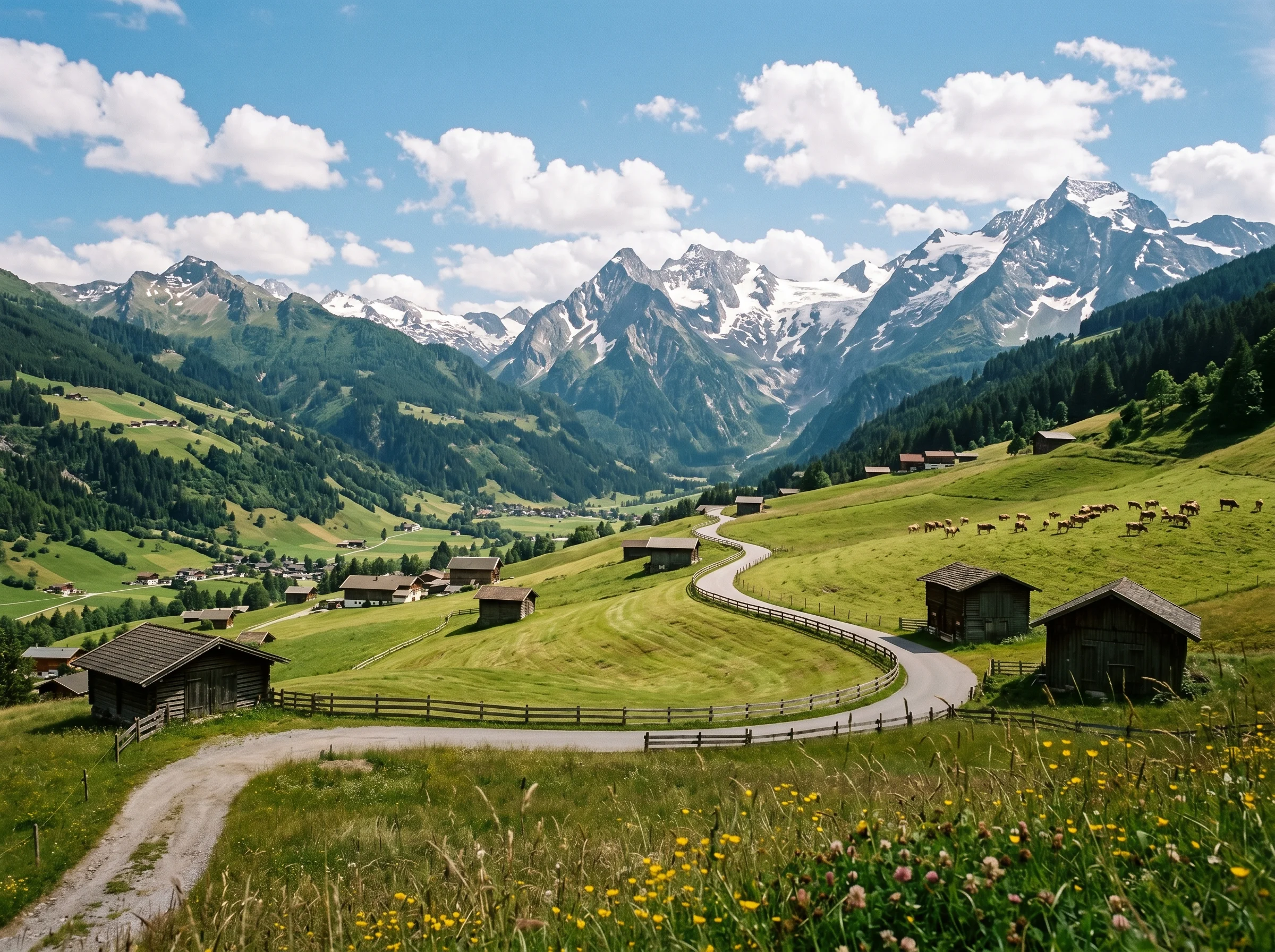
Zillertal, the valley that summers and winters in equal weight.

A broad, sunlit valley threaded by a narrow-gauge railway and bordered by the Zillertal Alps. In summer: alpine pastures and hut-to-hut walking. In winter: the highest skiing in Tyrol, on the Hintertux glacier, which never closes.

Read the valley guide
Zillertal valley in summer with wooden hay barns and alpine peaks
Fig. 04 — Zillertal
§ 03 The Field Guide

Two seasons,
two different countries.

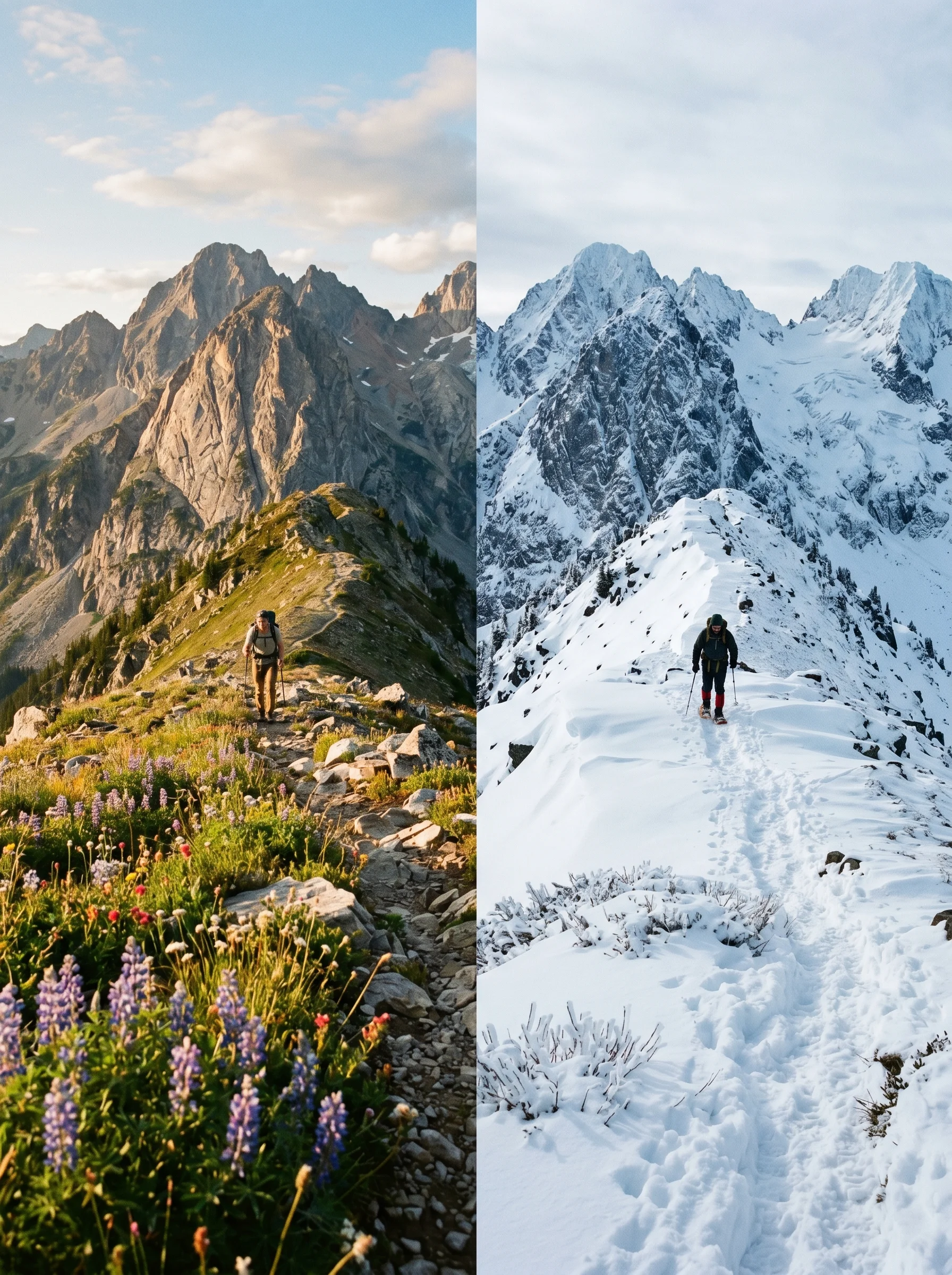
Summer · May – October
Summer hiker on high alpine ridge in Tyrol

Long light, wildflowers, and the hut-to-hut rhythm.

  • Hut-to-hut traverses 24.300 km
  • Alpine pasture walks 2.100 huts
  • Glacier-river rafting lI – V
  • Vertical climbing routes +4.000
  • Mountain-bike singletrack 6.200 km
Winter · November – April
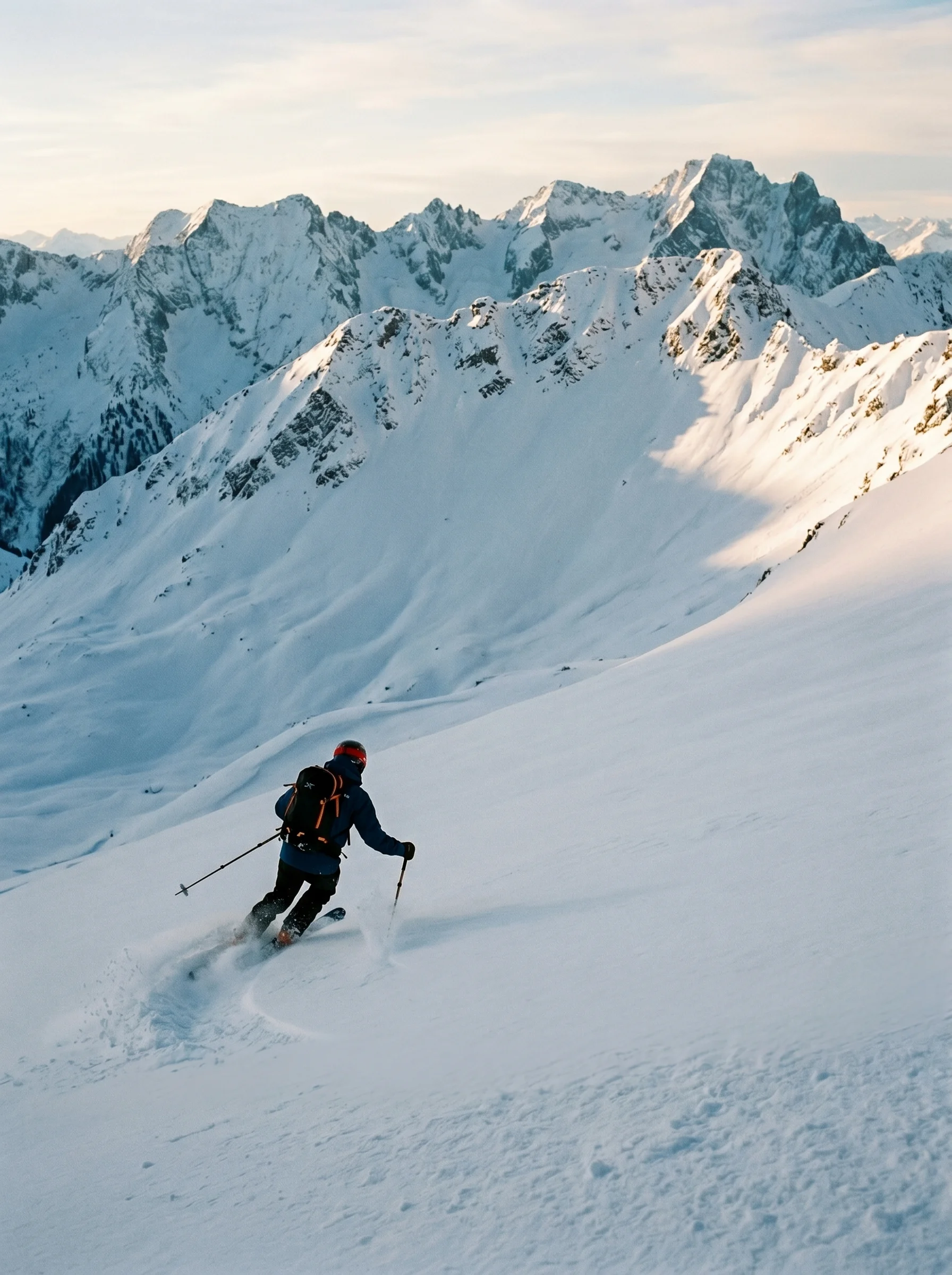
Skier on pristine alpine powder in Tyrol

First chair, cold stars, 170 years of winter craft.

  • Pisted kilometres 3.400 km
  • Ski resorts 87
  • Glacier skiing 365 days
  • Ski touring routes +1.200
  • Cross-country tracks 4.000 km
§ 04 Elevation Marks

Three itineraries,
drawn from the ridge line.

Route 01 3 days · easy ↑ 1.820 m gained

The First Arrival.

A long weekend for your first Tyrol: Innsbruck's baroque old town, the Nordkette cable car to the alpine frontier, a train to Seefeld and a high plateau walk. Evening back in the capital for a curated dinner. One country, at a glance.

  1. DAY 01 Innsbruck old town & Hofburg
  2. DAY 02 Nordkette ridge · 2.256 m
  3. DAY 03 Seefeld plateau · train return
Route 02 5 days · moderate ↑ 3.940 m gained

The Valley Traverse.

From Innsbruck across the Inn Valley into the Zillertal, onto the narrow-gauge railway and up to the Hintertux glacier. Overnight in Mayrhofen, then a day's hiking along the Berliner Höhenweg, ending with a slow drive back via Kitzbühel.

  1. DAY 01 Innsbruck arrival & Inn river walk
  2. DAY 02 Zillertalbahn · Mayrhofen
  3. DAY 03 Hintertux glacier · 3.250 m
  4. DAY 04 Berliner Höhenweg segment
  5. DAY 05 Kitzbühel old town · return
Route 03 7 days · demanding ↑ 6.700 m gained

The Full Ridge.

A complete traverse of Tyrol: Innsbruck to the Ötztal for a glacier morning, down to Sölden, back over the passes to Kitzbühel, a day on the Streif's summer grass, then a final loop through the Wilder Kaiser. For travelers who want Tyrol at full scale.

  1. DAY 01 Innsbruck · acclimatisation
  2. DAY 02 Stubai glacier overnight
  3. DAY 03 Ötztal · Sölden basecamp
  4. DAY 04 Ötztaler Ache gorge walk
  5. DAY 05 Transfer to Kitzbühel
  6. DAY 06 Wilder Kaiser loop
  7. DAY 07 Return via Innsbruck
§ 05 Lodging

Where to sleep
between the mountains.

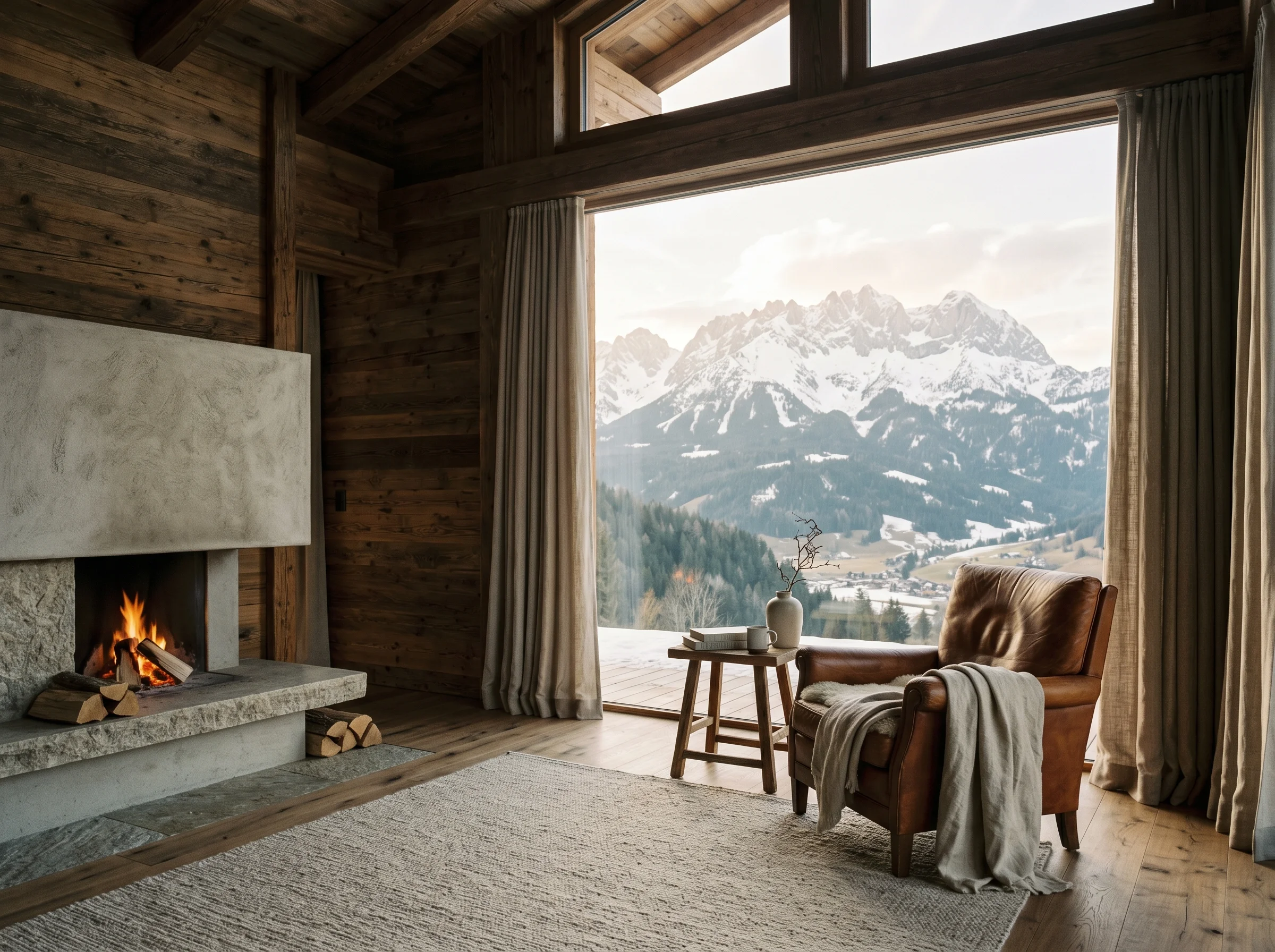
Traditional Tyrolean alpine chalet interior with mountain view

The hand-picked list

Forty-six chalets, hotels and refuges, chosen on altitude and architecture.

From restored farmhouses above Kitzbühel to the last high-mountain refuge on the Stubai traverse. Every property is walked, photographed, and reviewed on four things only: the view, the room, the table, the welcome.

Design hotels

18

Chalets

14

Alpine refuges

9

Farm stays

5

See the full list
§ 06 Dispatch

Questions, before
the journey.

Q · 01

Where exactly is Tyrol?

In western Austria, bordering Germany, Italy and Switzerland. Its capital Innsbruck is two hours by train from Munich and four from Zürich — the fastest entry from a major international airport.

Q · 02

When is the best time to visit?

Late June through September for walking; December through March for snow. Shoulder seasons (May and October) are quieter and often the most photogenic, but some cable cars close for maintenance.

Q · 03

Do I need a car?

No. Austria's rail network is excellent and the Tyrol regional trains reach every major valley. The Inntalbahn threads the whole province. A car only becomes useful for remote farm stays or travelling with winter equipment.

Q · 04

How many days should I stay?

A long weekend is enough to see Innsbruck and one cable car; five days opens the valleys; seven or more give you real range across regions. Most travelers under-estimate the distances — plan fewer moves, not more.

Q · 05

Is Tyrol expensive?

Roughly on par with Switzerland in its top resorts, noticeably cheaper almost everywhere else. A mountain refuge dinner costs a quarter of a Kitzbühel chalet. The guide's advice: stay simply, eat well.

Q · 06

Is it family-friendly?

Exceptionally. Austrian alpine culture is built around families: short cable-car rides, gentle pastures, clean lakes and accessible farm stays. Many resorts run proper children's programmes and alpine kindergartens.

Q · 07

What should I pack?

In summer: proper walking shoes, a light shell, a warm layer for altitude. In winter: merino base layers, a hard-shell, gloves you trust. Everything else can be bought or rented locally.

Q · 08

What is Tyrol best known for?

Alpine sport, strong regional identity, a baroque capital set inside a mountain wall, and some of the oldest continuous ski tradition on earth. It is Austria's most concentrated version of itself.

Q · 09

Is summer really good?

Tyrol is arguably better in summer — long daylight, alpine wildflowers, swimming lakes at 21 °C, open huts, and a quarter of the crowds. The province quietly resets its identity around walking.
End of preview

Plan a journey
that is measured in altitude.